
What to see in Italy: itineraries, areas and real tips

What to see in Italy
If you’re searching for what to see in Italy, I start with one simple choice: do you want “big classics” (Rome-Florence-Venice) or a slower Italy (small towns, nature, food)? If you’re short on time, I cut ruthlessly: 2–3 places done well beat 6 rushed stops every time.
In this guide I’ll give you a clear way to plan: pick season and pace, then choose macro areas, and only then lock in specific sights. It’s the easiest way to save money, time, and stress.
Practical tip
I always block two things early: “limited-capacity” bookings (popular museums) and long transfers. Everything else stays flexible so the trip feels easy.
Before you go: seasons, basics and smart choices
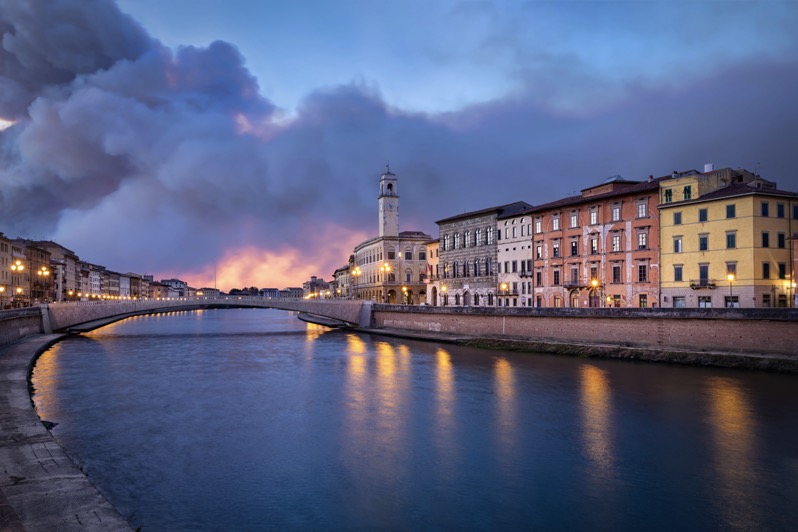
I think of Italy like this: spring and early autumn are the easiest seasons (good weather, great light, fewer crowds), while in peak summer I avoid city sightseeing at midday and shift to beaches or mountains. If you’re traveling in high season, I book anything with limited slots first (top museums, some fast trains, and the best-located stays).
|
If you have 7 days: I pick one macro area (North or Center or South) and explore it properly. |
If you have 10–14 days: I combine two macro areas with sensible transfers (fast trains + one slow base). |
|
If you want to save: I travel light and avoid baggage add-ons and last-minute taxis. |
If you want comfort: I choose a base near a main station and walk/metro most days. |
Practical tip
I always check official websites for schedules and rules before I leave—five minutes of checking can save an entire day.
How to get to Italy: flights, trains and first transfers
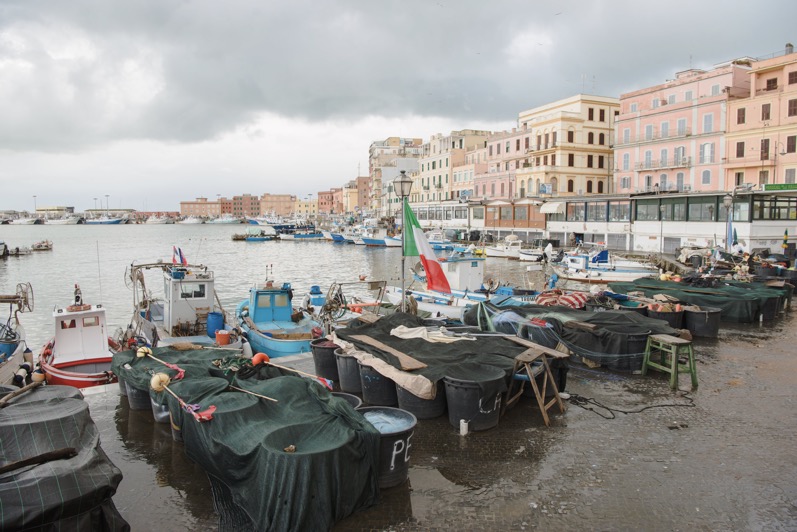
Getting to Italy is straightforward: most international trips start with flights to Rome/Milan/Venice/Naples, or a land entry by train or car from nearby countries. If I’m covering multiple areas, I prefer flying into one city and out of another—fewer backtracks, more time.
|
Flight + train: I land in a major hub and take a train straight to my first base. |
Flight + city transfer: if I’m staying in the city, I use official trains/metro/shuttles and avoid surprise taxi costs. |
|
Land entry: if you drive in, I plan ZTL rules and parking before I arrive. |
First leg in Italy: I buy tickets on official apps/sites and check for changes. |
These official references help me plan fast: Italia.it, Trenitalia, Italo.
Practical tip
I always check the official website before booking—especially for evening arrivals—so I know the last useful service and a backup option.
Must-sees in Italy
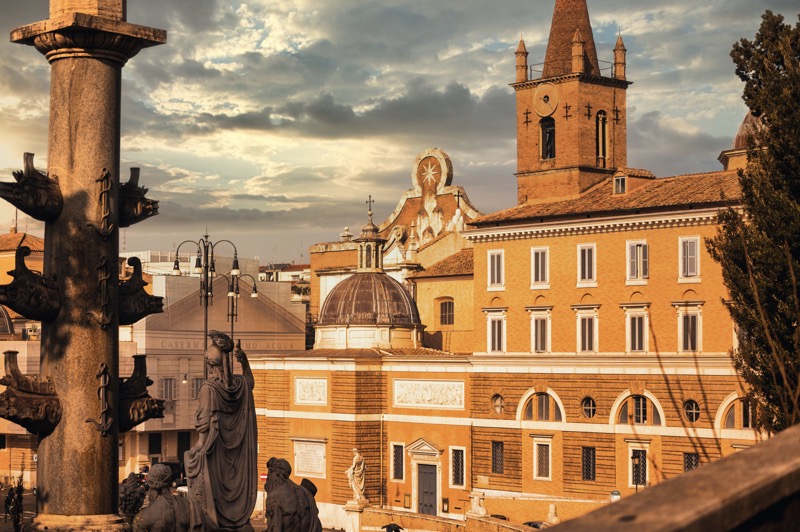
If you want a clean shortlist of what to see in Italy, I use it like this: pick 6–8 must-sees based on your days, and keep the rest as weather-friendly backups. Each item below includes a quick “why” and a rough time so you don’t overload your days.
|
Rome (Colosseum and historic center) |
Vatican City (Museums and basilica) |
|
Florence (Renaissance heart) |
Venice (canals and alleys) |
|
Milan (Duomo and neighborhoods) |
Pompeii |
|
Amalfi Coast |
Cinque Terre |
|
Dolomites |
Lake Como |
|
Sicily (Palermo and beyond) |
Sardinia (coast and interior) |
For high-demand places, I stick to official channels when possible: Colosseum area (official channels) and Vatican Museums.
What to see by macro areas: north, center, south and islands
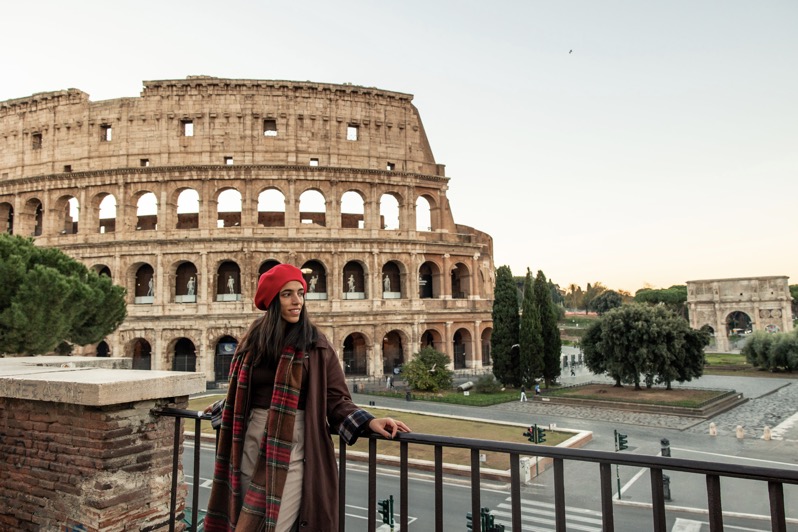
I plan Italy by areas because it makes everything smoother: fewer long transfers, smarter bases, and days that feel full but not impossible. If you already know what you want (sea, mountains, art cities), start from the best macro area and refine from there.
🏔️ North: cities + lakes + mountains
If you want to travel well without driving, I mix a hub like Milan/Bologna with a lake or a mountain escape. The North is great for fast trains and short hops.
🏛️ Center: art, hill towns and countryside
If you want classic Italy, I focus on Rome and add Tuscany/Umbria. This is where slow pacing works best: I aim for two nights per base.
🌋 South: coast, archaeology and big flavors
If you want views and food, I choose Naples/Amalfi/Pompeii or head to Puglia. I consider a car if you want beaches and small towns off the main routes.
🏝️ Islands: Sicily and Sardinia
If you have at least a week, I build one island loop and keep it realistic. In Sicily I mix cities + archaeology; in Sardinia I plan around 2–3 coastal zones.
Practical tip
If you have 10 days and want “a bit of everything,” I choose one main macro area and add just one short detour. It’s the easiest way to avoid spending half your holiday on trains.
Ready-made itineraries: 7, 10 and 14 days
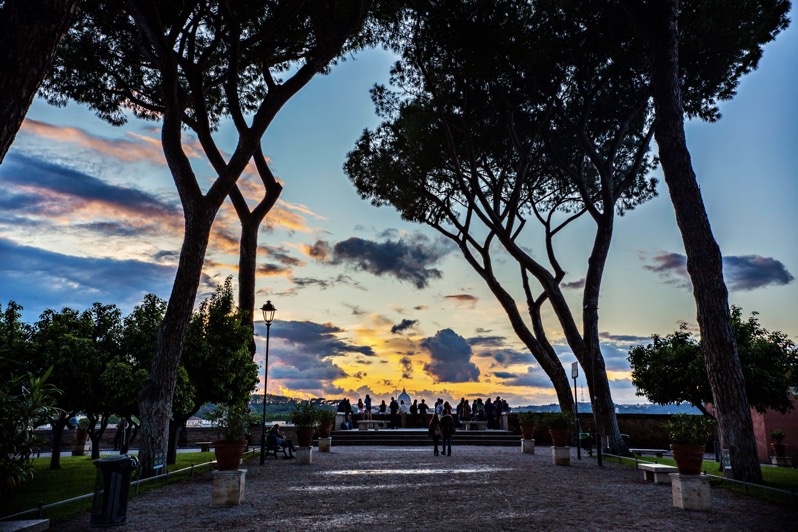
I build itineraries like a puzzle: comfortable bases + easy day trips. If you want the no-stress version, use these frameworks and customize based on your priorities (art, sea, hiking, food).
🗓️ 7 days: first-timer classics
If it’s your first trip, I do three bases: Rome (3 nights) + Florence (2) + Venice (2). You’ll travel well by train and still enjoy the cities.
🧭 10 days: classics + breathing room
For a more human pace, I do Rome (3) + Tuscany/hill towns (3) + Venice or Milan (2), plus 2 flexible days for weather or easy side trips.
🚄 14 days: two macro areas done right
With two weeks, I choose Center + South (Rome/Tuscany + Naples/coast) or North + Center. My trick: max 4 bases, otherwise it turns into a race.
Practical tip
If you want to save money, I lock accommodation first (it’s usually the biggest cost), then buy trains. If you want flexibility, I choose refundable stays and book only 1–2 key museums.
How to get around Italy: trains, cars and rentals
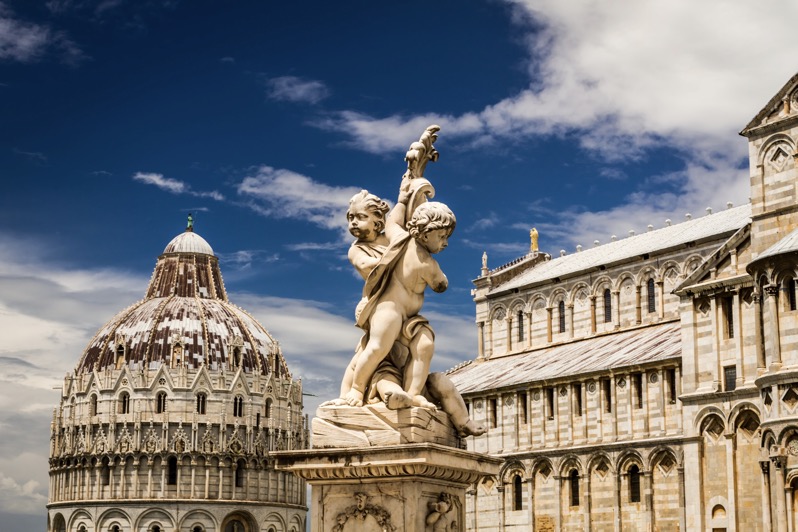
My rule is simple: trains between big cities, a car only when I want remote beaches, scattered towns, or nature with awkward schedules. If you’re not driving, I pick bases near main stations and do day trips.
|
Trains (high-speed + regional) |
Car |
|
Domestic flights |
Buses and shuttles |
Practical tip
Rental: how to do it well
Where it makes sense: I check airport, main station, city center (if I’m not entering ZTL), or the port if I’m on an island.
What to check: insurance and excess, deposit, fuel policy, mileage limits, age/license requirements, and any ZTL/toll rules.
Useful contacts: Hertz, Avis, Europcar, Sixt.
I always check the official website and read terms, insurance, and deposit before booking.
Where to stay: strategic bases and quick picks
I choose my base with one priority: location + transport. If you want to see a lot without headaches, staying near a main station (or a well-connected neighborhood) often beats paying extra just to be “right in the center.”
🏛️ Rome as a base
Pro: connections, museums, easy day trips.
Cons: higher prices and crowds in peak season.
Ideal for: first timers and culture-heavy trips.
Practical note: to save money, I stay slightly outside the core center but close to metro/train.
🎨 Florence as a base
Pro: compact and walkable.
Cons: weekends can be pricey.
Ideal for: art, Tuscany, train day trips.
Practical note: if I have a car, I sleep outside and commute in.
🚄 Bologna as a base
Pro: outstanding rail hub.
Cons: can get busy in some periods.
Ideal for: mixing North/Center efficiently.
Practical note: if I have 7–10 days, I use it to hop between cities quickly.
🌊 Naples as a base
Pro: energy, food, access to Pompeii and the coast.
Cons: logistics feel more intense if you’re not used to it.
Ideal for: South, archaeology, sea.
Practical note: I choose a well-connected area and use metro/trains.
🏙️ Milan as a base
Pro: flights, fast trains, events.
Cons: generally higher costs.
Ideal for: North, lakes, long weekends.
Practical note: I do 2 nights here + 1–2 nights on a lake to balance city and scenery.
🏝️ Sicily or Sardinia in stages
Pro: huge variety and strong experiences.
Cons: distances require planning.
Ideal for: 7–14 days on one island.
Practical note: for remote beaches, I consider a car and keep the route realistic.
Costs and budget: what to expect and how I save
Costs in Italy vary a lot between big cities, ultra-popular hotspots, and more local areas. I usually spend more on central accommodation, restaurants in famous locations, and last-minute transport. If you want to keep your budget under control, small repeatable choices make the biggest difference.
Where you spend the most: art cities in peak season, Amalfi-style hotspots, hotels with premium locations.
|
Lever 1: I stay 2–3 stops outside the center and commute in. |
Lever 2: I do a smart lunch (markets, street food) and one good dinner a day. |
|
Lever 3: I book trains and key museums as soon as dates are fixed. |
Costly mistake to avoid: too many bases. Every move adds money and eats time.
Practical tip
If a price or schedule can change, I always check the official website before I leave and keep a quick note of the rules—especially for tickets and rentals.
Worth a deeper dive, extra ideas and FAQ
If you’ve already seen the classics or want a more personal Italy, these ideas are great building blocks. I treat them as modules: pick 2–3 and you’ll get a more original trip without messy logistics.
Worth a deeper dive:
|
Matera |
Puglia (Valle d’Itria + Salento) |
|
Langhe and Monferrato |
Umbria (towns + nature) |
|
Marche |
Aosta Valley |
|
Verona + Lake Garda |
Calabria (coast + hill towns) |
|
Eastern Liguria beyond Cinque Terre |
Trieste and surroundings |
More ideas if you have extra time:
|
Slow train trip |
Small-town road trip |
|
Shoulder-season beaches |
Hiking and nature |
|
Food-focused Italy |
Less-obvious city weekends |
Do I need a car to visit Italy?
It depends. For art cities, I go by train. For scattered towns, remote beaches, or mountain areas, a car becomes convenient. I avoid driving into historic centers.
How do I avoid ZTL fines and parking headaches?
I check ZTL rules and parking before I arrive, and whenever possible I leave the car outside the center. If your hotel is inside a ZTL, I always ask how they register the license plate.
How early should I book museums and key sights?
In high season or on weekends, I book as soon as I have dates. For top museums, I stick to official channels when possible.
Is it better to stay in the center or outside?
If you want evening vibes, central stays are convenient. If you want to save money, I stay 2–3 stops outside but on a clear line—often the smartest compromise.
Can I pay by card everywhere?
Most of the time yes, but I still keep a small amount of cash for quick small purchases. If you want zero stress, I ask in advance when it matters.
What’s the best time to see the “best” Italy?
For the best balance, I choose spring or early autumn. In summer, I sightsee early and keep afternoons for sea, mountains, or downtime.
Report a correction
Spotted something outdated or incorrect? Email me at rttpi@mac.com.
Guarda anche la versione in Italiano: 🇮🇹 🔗 https://viaggilab.com/cosa-vedere-in-italia/