
What to see in Portugal: itineraries and practical tips

What to see in Portugal
In two lines: Portugal is ideal if you want lively cities, dramatic coastlines, and an easy-going pace without endless travel days.
When people ask me what to see in Portugal, I start with one question: how much moving around do you actually enjoy. With limited time, focus on Lisbon + Sintra or Porto + the Douro Valley; with a week, add the Algarve or the Alentejo; with two weeks, you can include the Azores or Madeira.
This guide is built to help you choose fast: what’s truly worth it, how to connect places, and where to cut without regret. If you’re traveling without a car, I’ll point out where trains are great and where a bus—or a short car rental—makes life easier.
Practical tip
To keep it stress-free, I pick 2 bases (one city + one coastal area) and do day trips. It’s the simplest way to plan what to see in Portugal without rushing.
Before you go

Before deciding what to see in Portugal, I check three things: the season, the Atlantic breeze, and school-holiday peaks. Summer is great for the beach, but cities and the Algarve get busier; spring and early autumn are my sweet spot for walking and day trips.
I always pack one light layer. Even with sun, evenings can feel breezy. If your plan is “cities + lots of steps,” I bring comfortable shoes and a light rain jacket; if it’s mostly beaches, I add water shoes for rocky coves.
To stay flexible, I book only two things early: accommodation for the key nights and one “must-do” experience. Everything else stays adjustable, so I can switch areas if the forecast changes or if one place grabs me more than expected.
Practical tip
I keep 3 key websites bookmarked (tourism, trains, airports) and double-check rules and terms before I go—my no-drama routine.
How to get there
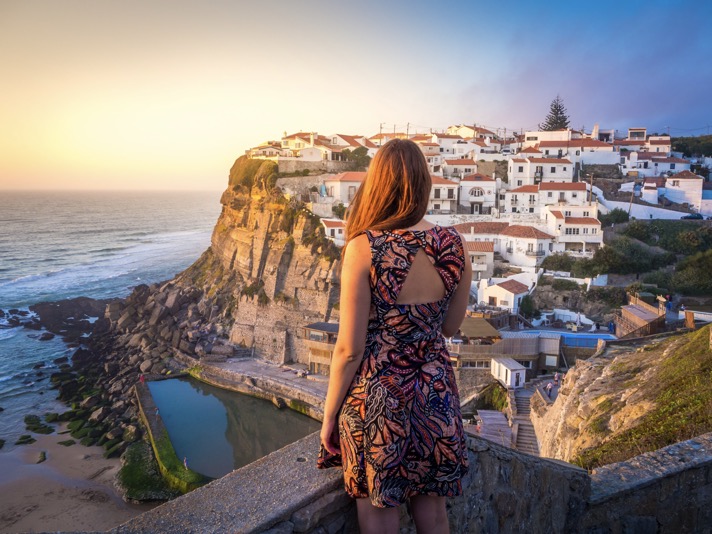
Getting to Portugal is straightforward: fly into Lisbon, Porto, or Faro (handy if you’re heading straight to the Algarve), or enter overland from Spain if you’re doing an Iberian road trip. To save time, I often fly into one city and depart from another—fewer backtracks, more real travel hours.
Once you land, your first practical choice is the transfer into town. If you’re staying centrally, metro and buses are usually enough; if you’re arriving late or carrying heavy luggage, a taxi/ride is often the easiest compromise. I always check the official website and read terms, insurance, and deposit before booking.
Useful link to plan airports and services: ANA – Airports of Portugal.
Practical tip
If you’re trying to plan what to see in Portugal efficiently, make your first night close to a metro/train hub—it simplifies day 1 massively.
Must-sees
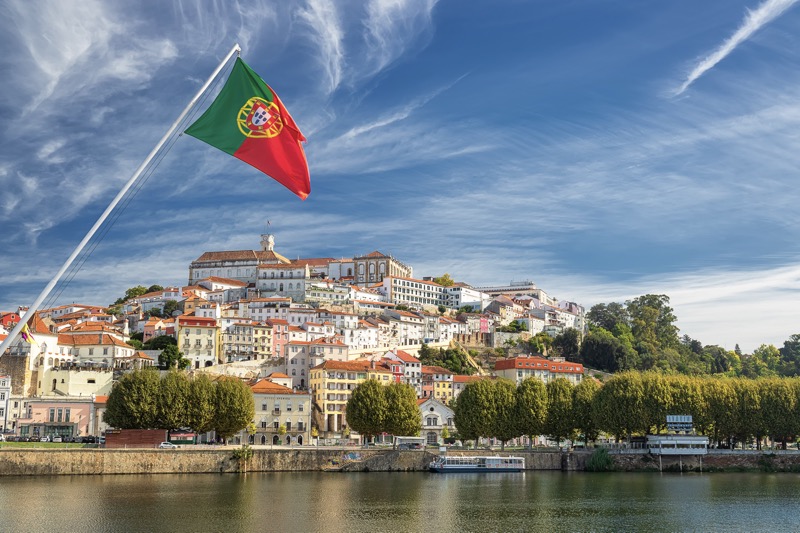
If it’s your first trip, I build what to see in Portugal like this: 2 cities (Lisbon + Porto), 1 “wow” day trip (Sintra or the Douro), and 1 nature/beach area (Algarve, Alentejo, or the islands). Below are my core must-sees—pick 6–8 for a week, 9–12 if you have more time.
| Lisbon (Alfama, Belém, classic trams) | Porto (Ribeira & wine cellars) |
| Sintra (palaces and gardens) | Douro Valley (vineyards & viewpoints) |
| Coimbra (university vibe) | Évora & the Alentejo (slow history) |
| Algarve (cliffs and beaches) | Nazaré (ocean and big-wave mood) |
| Óbidos (medieval village) | Aveiro (canals and tiles) |
| Azores (raw nature) | Madeira (hikes and panoramas) |
Practical tip
If you’re traveling car-free, I keep the route linear (Lisbon → Porto, or the other way) and add day trips by train/bus. It’s the easiest way to cover what to see in Portugal without backtracking.
What to see by areas
When I explain what to see in Portugal by areas, I think in “vibes”: the north feels more local, the center is a great mix, the south is beach-forward, and the islands are pure nature. Pick 2 main areas and use day trips for the rest—Portugal is perfect for that.
🏙️ Lisbon area
Great base for museums, walkable neighborhoods, and easy day trips: Sintra, Cascais, and the coast are close. With 3–4 days, I do 2 in the city + 1 in Sintra + 1 by the sea.
🍷 Porto and the north
Ideal for a more “local” rhythm, with Douro day trips and wine cellars. Car-free, Porto works brilliantly; with a car, I add a couple of small towns on the way.
📚 The center (Coimbra, Aveiro, Nazaré)
Historic university vibes, canals, and the Atlantic. If you want to break up Lisbon–Porto, I add one night in between—it changes the pace without complicating logistics.
🌿 Alentejo (Évora and countryside)
My pick for quiet towns, landscapes, and food. A car helps a lot here; with limited time, I fit it in as 1–2 nights away from the big cities.
🏖️ Algarve
Cliffs, coves, and sunsets: choose one base (Lagos, Albufeira, or Faro) and keep day trips short. To save money, I sleep slightly inland and hit the beaches by day.
🌋 Islands (Azores and Madeira)
For hiking, raw nature, and big views. With 10–14 days, I add one island and remove one mainland stop—less rushing, more experience.
Practical tip
If you’re choosing what to see in Portugal with kids or tight schedules, I avoid changing hotels every night. Two bases plus day trips makes everything easier.
Ready-made itineraries for what to see in Portugal (3, 7, 10 or 14 days)
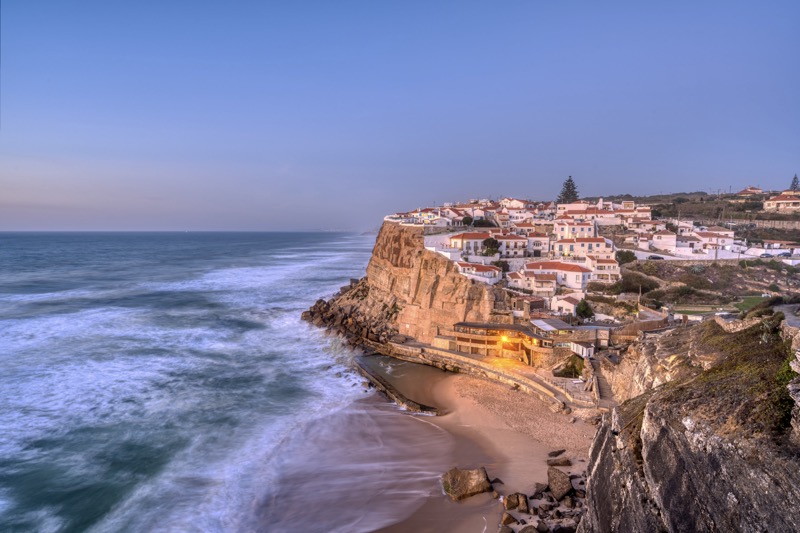
If you’re unsure about what to see in Portugal, I start with a “frame itinerary” and then add 1–2 extras. Below are four ready-made templates—use them as-is, or as a way to gauge how much moving around you want.
| 3 days: Lisbon + Sintra (city break) | 7 days: Lisbon → Porto with the Douro |
| 10 days: add the Algarve or the Alentejo | 14 days: mainland + Azores or Madeira |
How I tweak them: car-free, I stay longer in each city and do day trips; with a car, I add one “in-between” overnight to break drives. If you want beach time, I place the Algarve at the end—perfect once you’ve found your rhythm.
Practical tip
When I plan what to see in Portugal in 7–10 days, I always keep one “joker day” for weather, tired legs, or a spontaneous detour.
How to get around

Getting around Portugal is easier than it looks, but it changes a lot between big cities and rural areas. To cover what to see in Portugal without stress, I follow one rule: trains between major cities, metro/buses inside cities, a car only where it truly helps.
Trains: Lisbon–Porto and many main routes are very convenient; I buy tickets and check schedules on cp.pt. Buses: for broader coverage (often cheaper), I check Rede Expressos.
Car: it’s worth it if you want to explore the Alentejo countryside or less-connected beaches. If you drive, keep tolls in mind: I always check the route and expected costs in advance and save a slower “no motorway” option for relaxed days.
Practical tip
If you’re traveling light, I stay mostly car-free and rent a car only for 48–72 hours in one area. It’s a clean way to cover what to see in Portugal while keeping costs down.
Where to stay
To choose where to stay while planning what to see in Portugal, I think in bases. Good bases save time and keep you from changing hotels every other night. These areas almost always work.
Lisbon (central or near a metro stop) — Pros: huge choice of stays and transport, perfect for day trips
Cons: higher prices and busier weekends
Ideal for: first-timers, city breaks, car-free trips
Practical note: I pick a spot with a metro station within 5–8 minutes on foot for easy evenings
Porto (Baixa/Ribeira or well-connected areas) — Pros: great atmosphere, food, and the best base for the Douro
Cons: steep hills and stairs—consider luggage
Ideal for: couples, friends, wine and photography
Practical note: for quieter nights, I stay 1–2 stops outside the tourist core
Lagos or Faro (Algarve) — Pros: strong mix of beaches, tours, and logistics
Cons: in peak season some areas feel crowded
Ideal for: beach time, easygoing surf, sunsets
Practical note: if I arrive late, I sort parking/transfer in advance—it matters in summer
Évora (Alentejo) — Pros: slow pace, excellent food, easy access to small towns
Cons: without a car you’re more limited nearby
Ideal for: anyone wanting a break from big cities
Practical note: I stay 1–2 nights: the sweet spot without stealing too many days
Funchal (Madeira) or Ponta Delgada (Azores) — Pros: easy base for hikes and day trips
Cons: weather can shift quickly—flexibility helps
Ideal for: nature lovers, hiking, longer trips
Practical note: I choose flexible cancellation and adapt plans to wind and clouds
Practical tip
If you want the best time/value ratio for what to see in Portugal, I do 3 nights + 3 nights (two bases) and add a third base only if I have 10+ days.
Costs and budget
Portugal can be very kind to your budget, but it depends on where you go and when. I spend more on accommodation in central Lisbon/Porto and on the coast in peak season (stays + restaurants). If you want to cover what to see in Portugal with a sane budget, the trick is smart bases and timing.
Where costs jump: staying right in the historic centers, renting a car in peak season, beachfront hotels in the Algarve.
3 real ways I save money:
| Eat the local lunch deals (set menus) | Place beach/city days away from peak weekends |
| Use trains/buses and rent a car in short blocks |
Costly mistake to avoid: changing bases too often “to see everything.” You lose time, pay more in transport, and end up making rushed choices.
Practical tip
When I compare stays, I always check the total cost (taxes + parking + cancellation terms), not just the nightly price. It’s the cleanest way to plan what to see in Portugal without surprises.
Worth a deeper dive, more ideas and FAQs
If you already know the classics, here are extra ideas to shape what to see in Portugal around your travel style and discover a more personal Portugal.
Worth a deeper dive (when you want to go beyond the usual):
| Peneda-Gerês (hikes and nature) | Guimarães (history and squares) |
| Braga (sanctuaries and views) | Costa Vicentina (wild beaches) |
| Tavira and the quieter Algarve | Monsaraz and Alentejo lakes |
| Sesimbra & Arrábida (Lisbon day trips) | Azores: whales and geothermal spots |
| Madeira: levadas and trails | Wine detours beyond the Douro |
More easy add-ons (even with limited time):
| Azulejos: small museums and iconic stations | Markets and evening food tours |
| Fado beyond Lisbon | Thermal spas in the north/center |
| Surf: a single lesson to try it | Sunset viewpoints with a picnic |
Report a correction
Spotted something outdated or incorrect? Email me at rttpi@mac.com.
Lisbon or Porto if I only have a few days?
If you have 2–3 days and want maximum variety, I pick Lisbon (more easy day trips). If you want a compact, foodie vibe, Porto is perfect.
Do I need a car to enjoy Portugal?
Not necessarily. I stay car-free for cities and main routes, and rent a car only for 2–3 days if I want the Alentejo or more remote beaches.
How much time do the Azores or Madeira need?
I add them only if I have at least 10 days total, ideally 12–14, otherwise everything feels rushed.
Is Portugal a good winter destination?
Yes, especially for cities and food. I just plan for more rain and wind and keep an indoor Plan B.
How do I pick a base in the Algarve?
For coves and cliffs, I look around Lagos; for easy logistics, Faro works well; for nightlife, some central areas are livelier.
Practical tip
When I save my list of what to see in Portugal, I also note the “why” for each stop (beach, food, hikes). It helps me cut plans without regret.
Guarda anche la versione in Italiano: 🇮🇹 🔗 https://viaggilab.com/cosa-vedere-in-portogallo/
🔗 other interesting places in Portugal